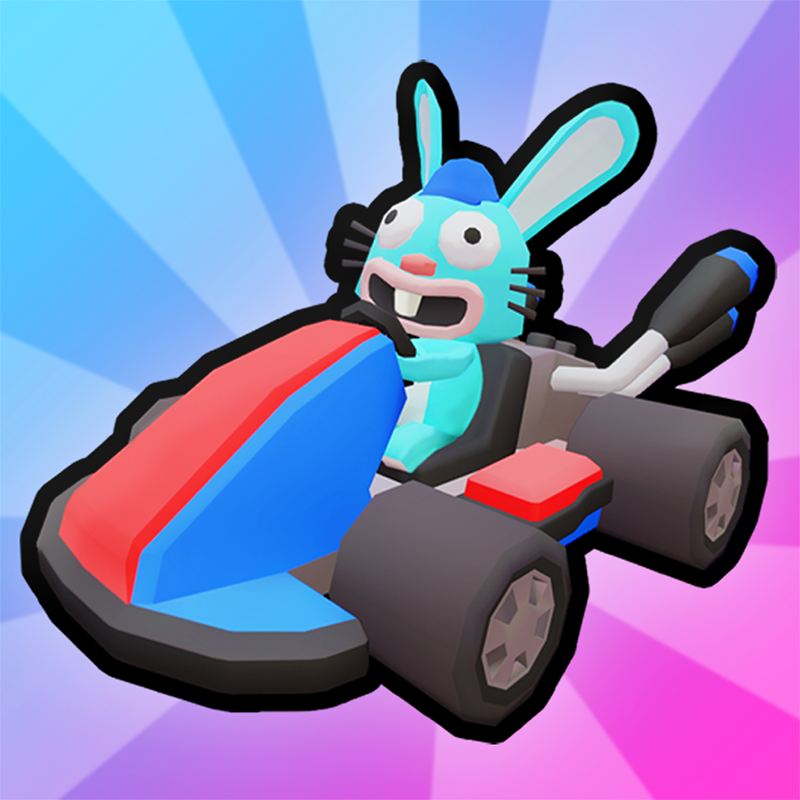
Reference source: CrazyGames game page (external link, opens in a new tab).
Smash Karts is less about clean racing and more about owning the next weapon pickup. The arena keeps everyone moving in circles, shortcuts, and sudden turns, but the real danger is the small crate on the road. Reach it first, aim better than the driver behind you, and a weak position can turn into a lead within seconds.
Every match has that messy kart logic where steering is only half the job. You need to dodge open lanes, avoid getting trapped near walls, and decide when to chase another player instead of hunting the next item. The game feels loud because the map does not stay safe for long — one wrong route can put your kart in someone else’s target line.
The smartest players do not just shoot whenever they get a weapon. They wait for a bend, a narrow path, or a kart that has already spent its escape chance. That small delay makes hits feel better, because a good shot is usually built by movement before the button is pressed.
Smash Karts also gives JyntaKrynnTazor a stronger party-game edge without needing long rules. A player can understand the round instantly, but better timing shows up after a few matches: where crates appear, which lanes get crowded, and when it is smarter to disappear for a moment instead of forcing another fight.